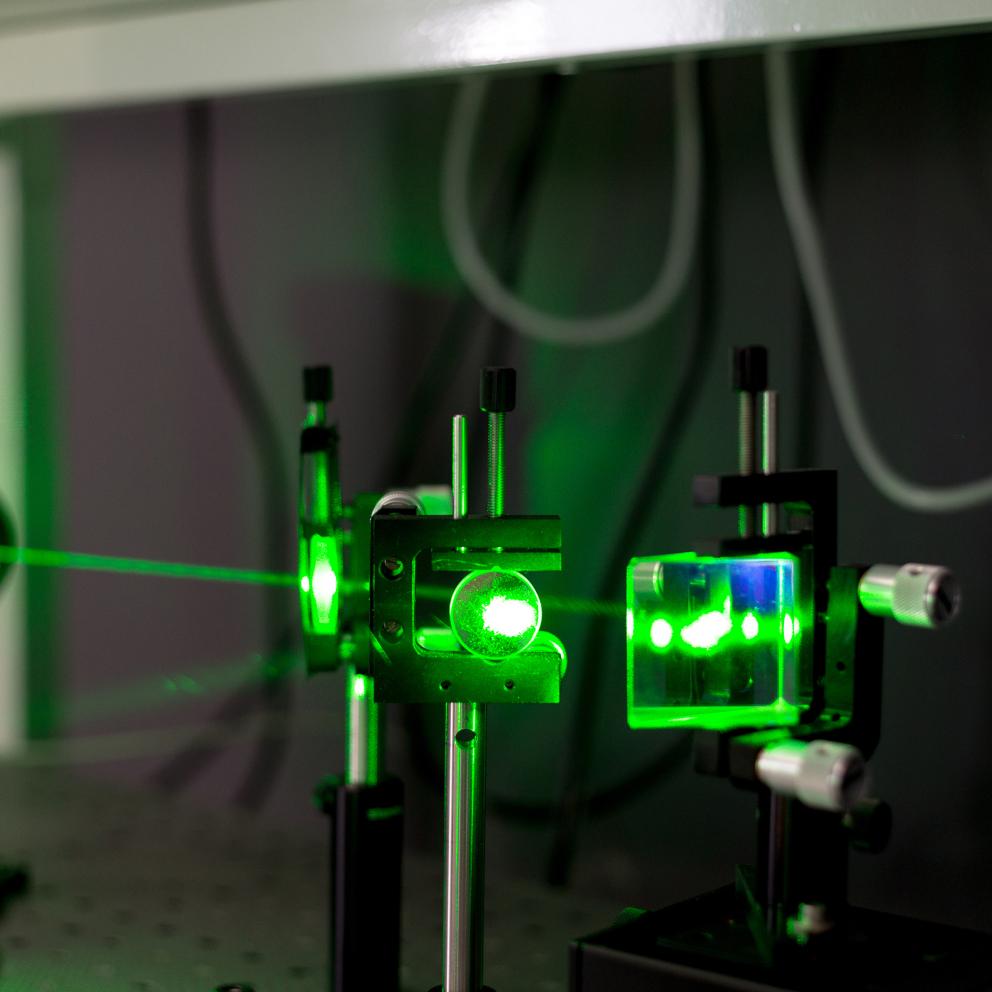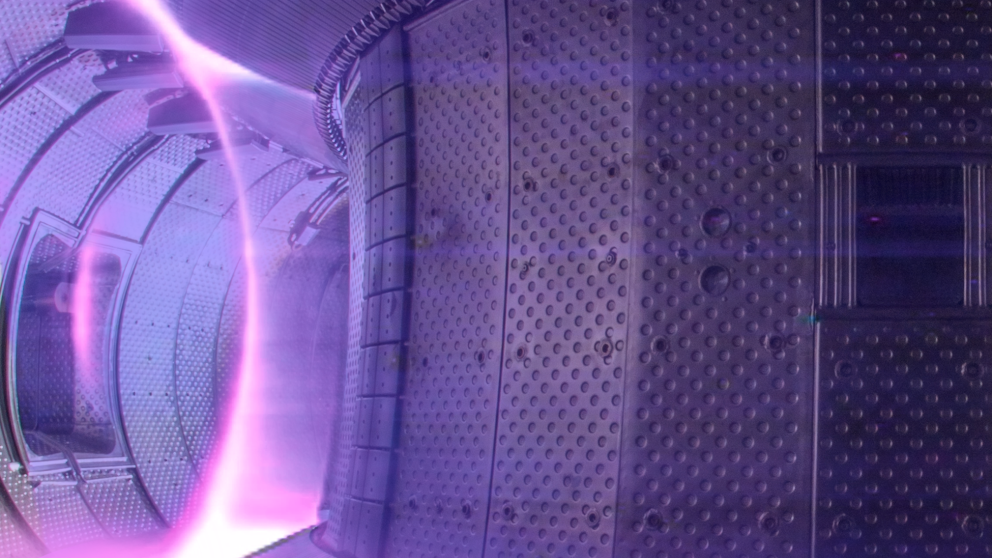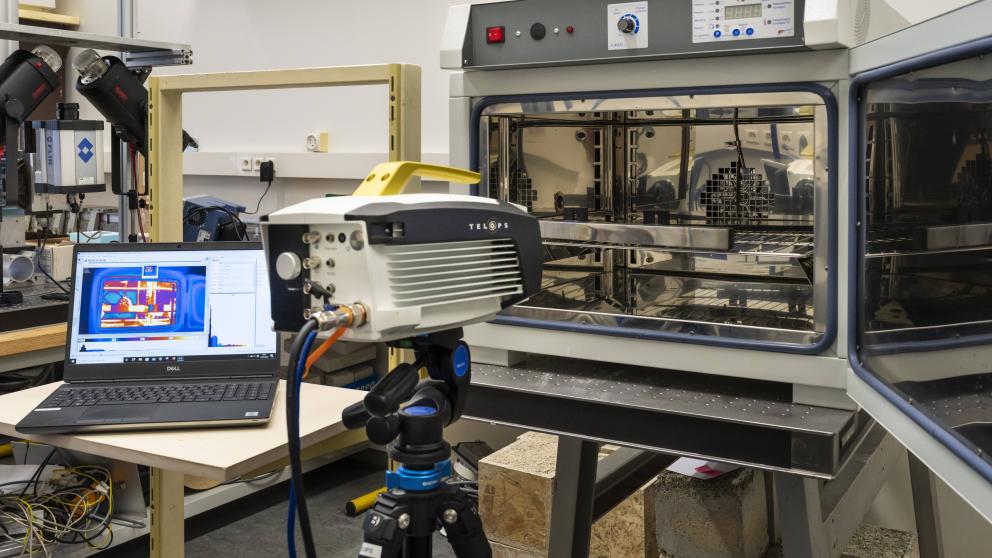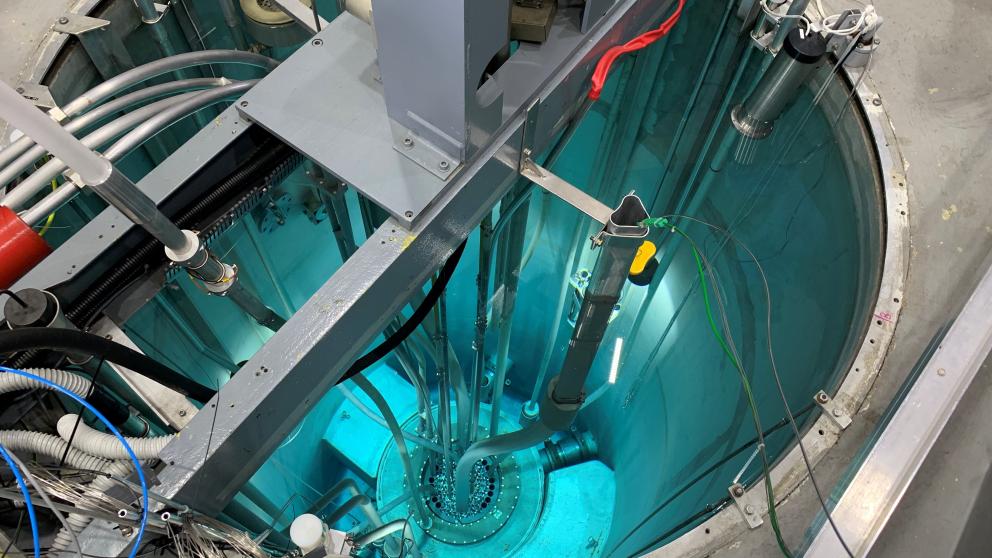
The ISFIN teams have developed a recognised expertise in the field of fusion in plasma physics, and in the field of fission instrumentation and material characterisation. Research work conducted at the institute is used to improve expertise in these fields, to focus on the gain in momentum of the nuclear aspects of fusion and to establish interdisciplinary research in association with social sciences and humanities.
Fission
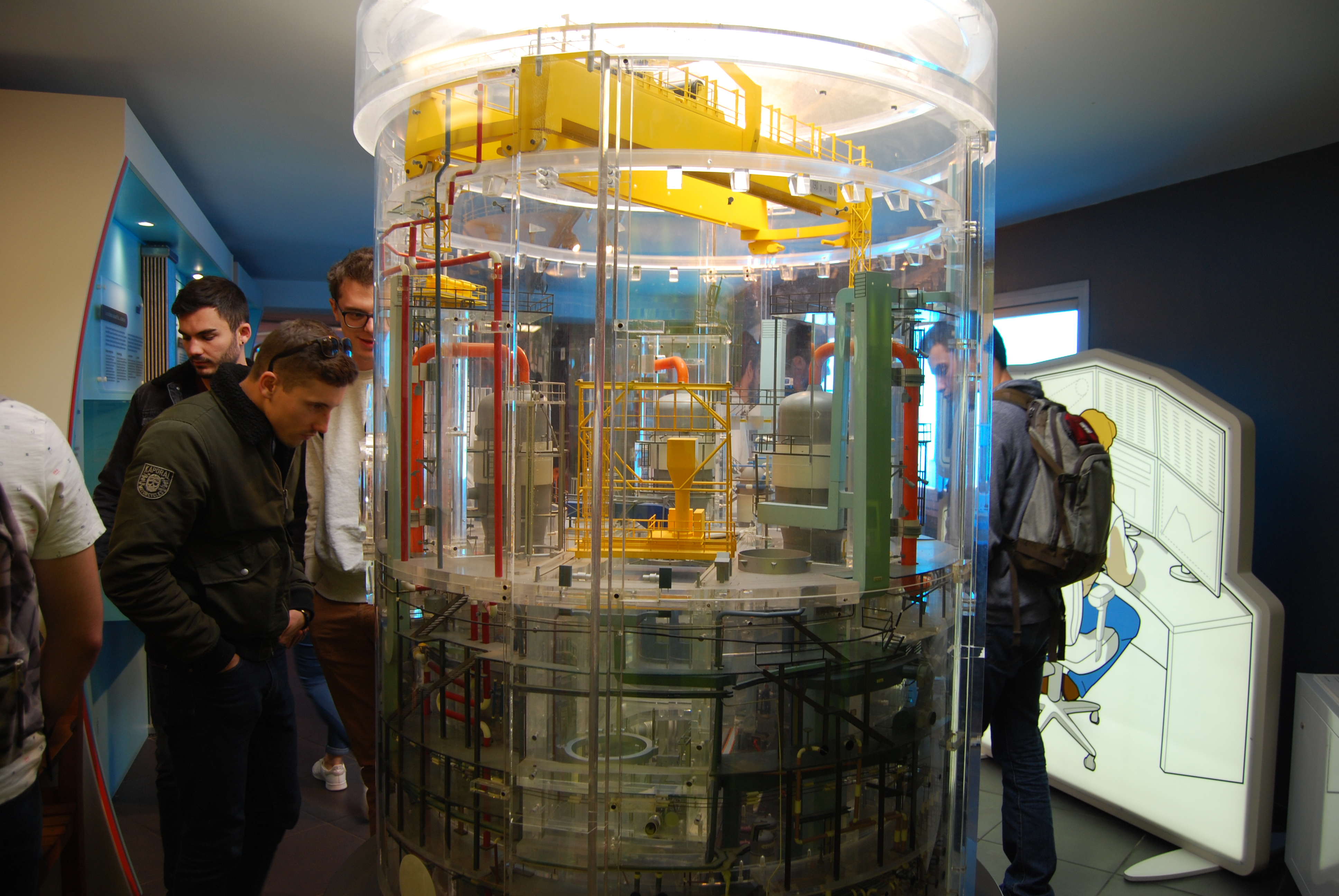
Work conducted in the field of fission targets the major societal challenges of safety-security, the longevity of reactors in operation, the dismantlement of nuclear facilities at the end of their life, the production, management and advanced characterisation of radioactive waste as well as electronuclear developments. Two factors common to all of these challenges are the need to carry out increasingly efficient and advanced measurements and to propose major advances in materials and structures. For example, the aim is to contribute to:
- Improving the understanding of coupled complex phenomena that appear in particular during tests and trials under irradiation of inert materials and fuels, with particular focus on the study of their accelerated ageing
- Online control and monitoring of the integrity of components and structures
- Carrying out diagnostics prior to maintenance or dismantling operations
- Defining, testing and validating new concepts using other resources and minimising radioactive waste in particular
- Proposing new solutions related to the management of this waste.
Fusion
Work conducted in the field of fusion targets the major societal challenge of demonstrating the feasibility of fusion as a massive and continuous source of energy. In addition to the design and manufacture of a new machine such as ITER, this challenge is accompanied by new needs in terms of modelling (increasingly high-performance multi-physical and multi-scale digital simulation tools), and instrumental means of measurement in increasingly constrained/extreme environments. For example, the aim is to contribute to:
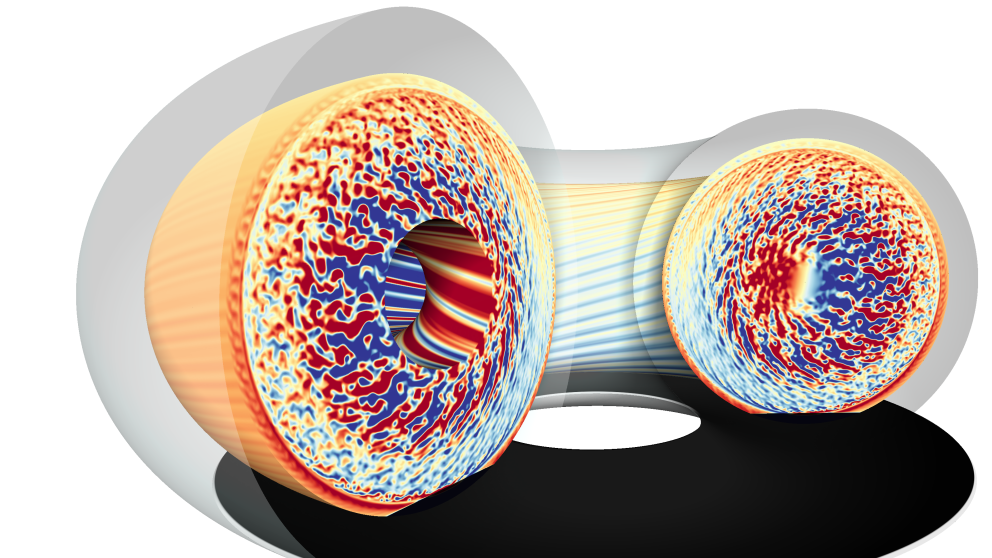
- Improving and developing models in the field of turbulence and transport physics
- Improving understanding of the mechanisms related to component erosion, deposition and deuterium/tritium retention
- Controlling containment
- Controlling power extraction
- Designing and implementing measurement systems (diagnostics) for the control of key parameters
- Developing nuclear instrumentation for neutrons
- Studying innovative materials.